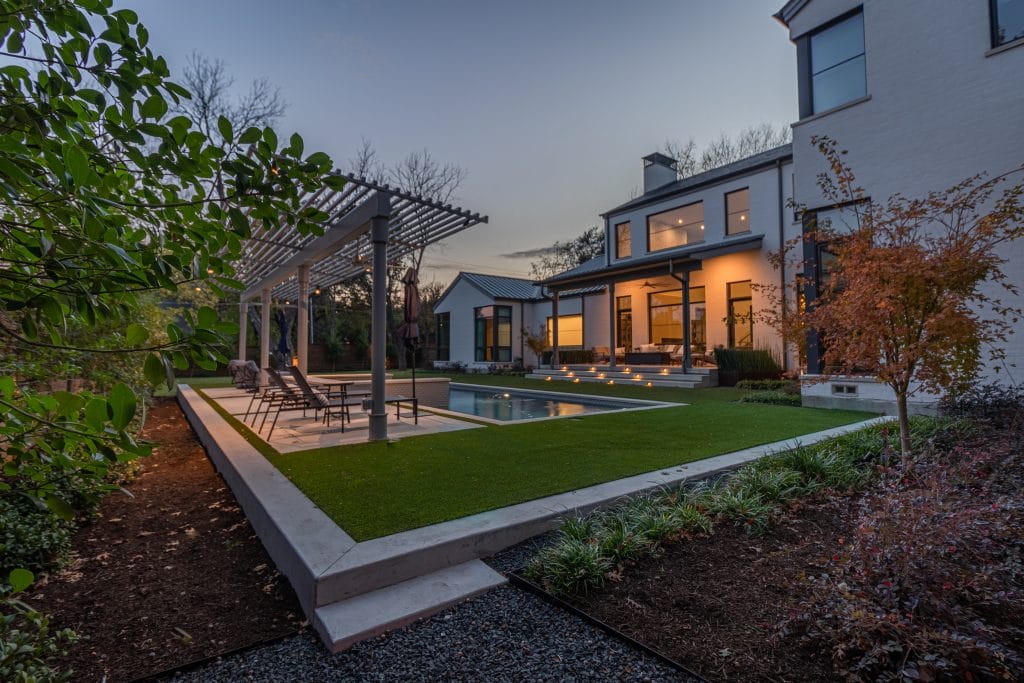

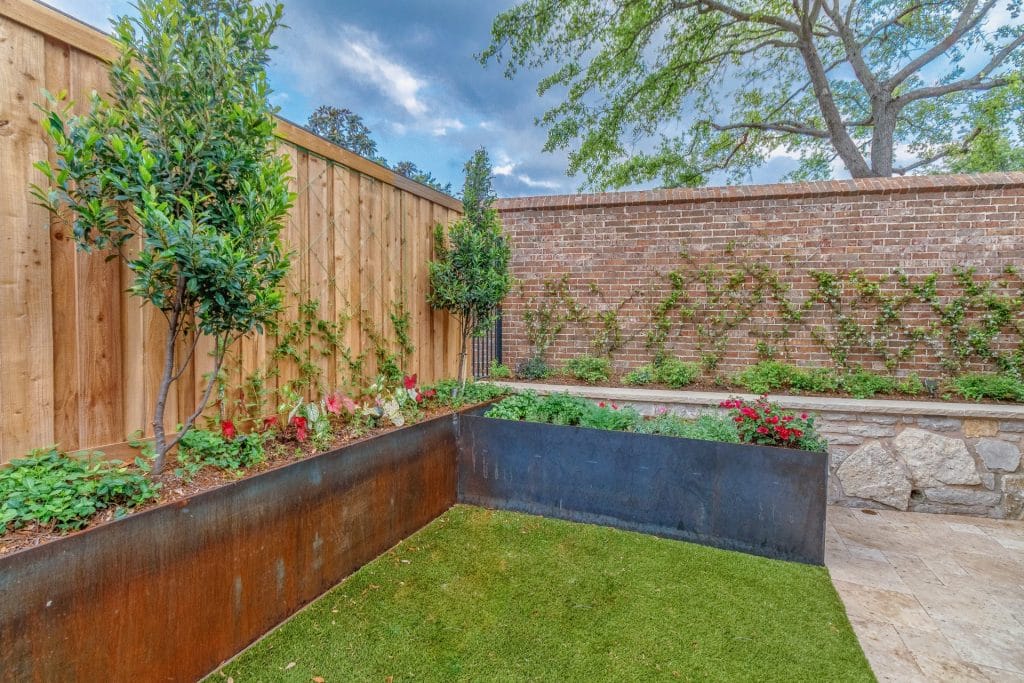
A healthy landscape supports how you live and work. It creates welcoming outdoor environments, protects long-term plant health, and reinforces the customer experience at commercial properties. At Complete Landsculpture, we’ve spent decades helping North Texas property owners make smart decisions about their outdoor spaces with steady guidance, clear communication, and dependable follow-through.
The question often starts the same way: “Do we keep maintaining what we have, or is it time to change it?” The most cost-effective answer depends on your goals, what your landscape is telling you, and how well your current plan fits the local climate. Below, we’ll explore signs that point toward regular maintenance, a targeted upgrade, or a full redesign, along with how our team supports each path.
Start with goals, not guesses: what should your landscape do for you?
When evaluating a property, we begin with outcomes: safety, usability, curb appeal, budget predictability, and how the property should feel day to day. Residential priorities often include outdoor living, family-friendly lawn care, and flower beds that look consistent through seasonal services. Commercial priorities focus on clean lines, safe walkways, weed control, and reliable irrigation in high-visibility areas.
These goals shape the next step. If the fundamentals are working, professional maintenance keeps momentum. If certain areas consistently fall short, a focused upgrade can solve specific problems. If the layout, plant palette, or infrastructure no longer fits, a redesign can support long-term property value and easier upkeep.
Signs your property needs consistent maintenance (not a redesign)
Many landscapes don’t need dramatic changes but benefit from a dependable schedule, attentive lawn care, and a plan that matches North Texas water use realities. Regular maintenance protects what’s already working, especially when plantings are established, and the layout fits your lifestyle or operations.
You’re typically in “maintain” mode if you see:
- Healthy lawns with only seasonal fluctuations, not widespread thinning or bare areas
- Manageable weed growth that improves with proper mowing and weed management
- An irrigation system that covers the property evenly, with stable soil moisture
- Beds with good structure, even if they need refreshing, edging, or mulch
- Routine pest control needs rather than repeated infestations or plant loss
A strong maintenance provider also monitors potential issues before they become expensive, such as storm damage, drainage concerns, and early signs of disease. Professional maintenance delivers predictable appearance, fewer surprises, and better returns on prior installations.
When should you upgrade instead of redesigning?
Upgrades solve clear problems or add function without changing the entire plan. They often improve efficiency, reduce labor, and boost curb appeal in both residential and commercial settings.
What is the difference between an upgrade and a redesign?
An upgrade improves targeted elements, such as irrigation systems, refreshed plantings, or patio details, while keeping the overall layout intact. A redesign changes the structure and intent of the landscape, reworking circulation, grading, key views, and outdoor living spaces. The right choice depends on your goals, budget, and timeline.
Common upgrades in North Texas include improving irrigation for water conservation, adding native plants suited to sun exposure, and renovating worn turf for healthier lawns. Outdoor living improvements, such as patios or fire pits, are also popular. In commercial settings, upgrades often focus on visibility and safety, like entry enhancements and bedline cleanup.
Upgrades work well when the landscape’s bones are solid, but performance isn’t. If you’re consistently replacing plants, battling persistent weeds, or seeing uneven irrigation coverage, a targeted change can reduce service needs while improving results.
Clear signals it’s time for a full redesign
A redesign makes sense when the existing landscape no longer supports how the property functions. Sometimes the original plan didn’t match the site, or needs have changed over time: families grow, businesses expand, or drainage and sun patterns shift as trees mature. Storm damage can also reveal underlying problems.
A redesign may be the right fit if you notice:
- Chronic drainage issues, standing water, or recurring erosion
- Planting areas that struggle due to shade, heat, or the local climate
- An outdated layout that limits outdoor living or creates unused space
- High maintenance demands that don’t align with your budget or staffing
- Repeated failures despite regular maintenance and professional services
Redesign also becomes important when infrastructure is failing. If irrigation systems are inefficient due to poor zoning, broken lines, or outdated coverage, design services can address the root cause. Similarly, if you need a cohesive plan for lawn care, weed control, beds, and long-term planting, a designer can create a roadmap for beauty and manageability.
How Complete Landsculpture approaches landscape management for long-term results
Our work is built around partnership and consistency. Clients want to know what’s happening on their property, why it matters, and what the plan is for the season ahead. With years of experience across maintenance, design, and installation services, we connect day-to-day care with long-term performance.
Professional landscape management looks at the full picture: horticulture, irrigation, soil moisture, and how each area is used. This perspective prevents small issues from becoming expensive repairs and supports better scheduling, clearer expectations, and smoother transitions between maintenance, upgrades, and redesigns.
For commercial properties, this consistency reduces surprises and supports reliable curb appeal. For homeowners, it adds peace of mind and protects the investment in beautiful outdoor spaces.
What a practical evaluation looks like (residential and commercial)
A good decision starts with a clear snapshot of current conditions. Our landscape managers focus on visible symptoms and underlying causes, reviewing irrigation systems, checking beds and turf for weeds, and assessing plant health with an eye on the right plants for the site.
Timing also matters. Early spring highlights winter injury and allows for proactive weed management. Summer reveals irrigation gaps, heat stress, and high water use zones. Fall is ideal for planning upgrades, adding native plants, and setting a maintenance strategy for the next year.
For commercial accounts, we also consider traffic patterns and visibility. Entry statements, signage views, and high-traffic corners often need a different approach than back-of-house zones. Coordinated services keep the property looking consistent while prioritizing what clients, tenants, and visitors see first.
Maintenance, upgrade, or redesign: a simple decision guide
Here’s a grounded way to decide what’s next:
- Choose maintenance when the layout works, and the landscape responds well to regular care, lawn care, weed control, and seasonal services.
- Choose an upgrade when one system or zone underperforms, such as irrigation coverage, worn turf, or tired flower beds.
- Choose a redesign when the design no longer fits the property, recurring problems persist, or you want a new outdoor living plan.
In every case, the goal is the same: a landscape that performs reliably, supports your needs, and protects property value without constant firefighting.
A steady next step: talk with a team that supports the whole lifecycle
Whether your property needs maintenance, a focused upgrade, or a full redesign, Complete Landsculpture offers a range of services under one roof. This continuity supports clearer planning, better outcomes, and a smoother experience from first conversation through ongoing care. If you’re comparing options, online reviews can help, but the best clarity often comes from walking the site and discussing priorities.
If you’re ready for the next step, connect with our team to talk through your goals, current conditions, and the most practical path forward for your home or commercial landscape. We’ll help you choose a solution that fits your property, schedule, and long-term vision.