

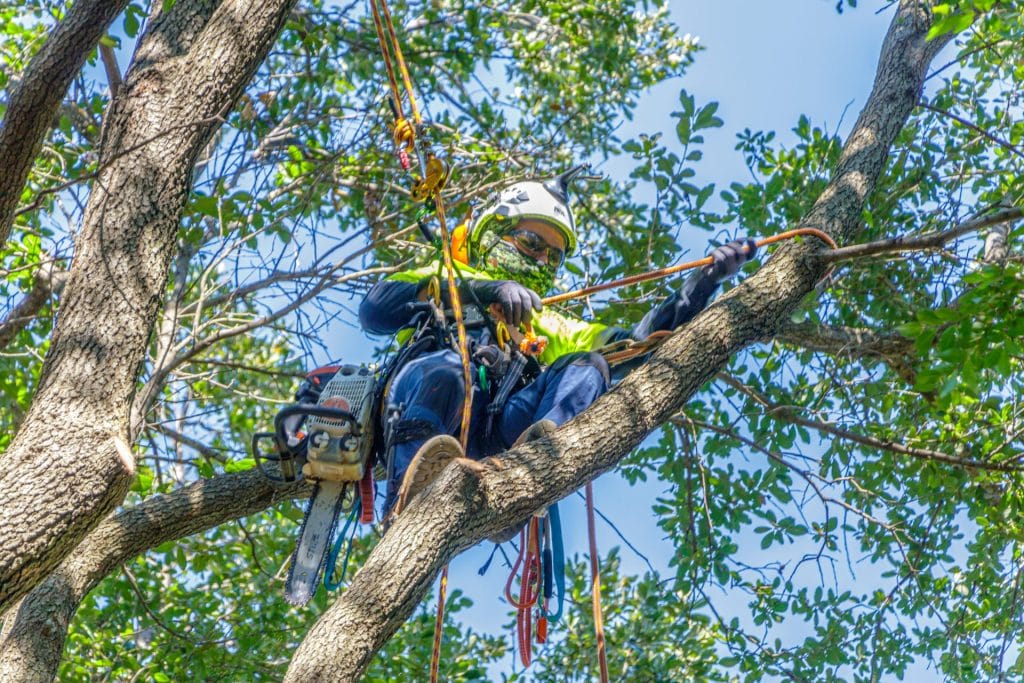
A healthy landscape in North Texas depends on timing. After winter, trees and turf shift into the growing season, and small issues can quickly escalate as spring growth accelerates. For property owners and managers, early spring is also when schedules fill up for pruning, cleanups, and storm readiness.
At Complete Landsculpture, we support residential and commercial properties with proactive and organized landscape management and professional tree care. With decades of experience in the region, we focus on steady execution, clear communication, and long-term results. This guide shares practical steps to support tree health, protect your landscape, and set everything up for a confident start to the season.
Why early spring is the best time to focus on tree health
Early spring brings warming soil, shifting weather, and the first push of new foliage, making it an ideal time to evaluate tree health before new growth hides structural issues. Dead branches, weak unions, and early pest infestations are easier to spot while trees are still opening up for the season.
It’s also a great time to assess storm readiness. North Texas spring storms can cause damage quickly, especially when canopies are overextended or cracked limbs are left unaddressed. A thoughtful assessment now reduces disease risk, supports healthy growth, and sets a stable foundation for the months ahead.
What should be included in a spring tree care routine?
A dependable spring tree care routine starts with observation and moves into targeted action. Walk your landscape and inspect tree trunks for cracks, cavities, rubbing wounds, or unusual oozing. Scan the canopy for hanging limbs and dead tips.
Next, evaluate the area beneath the tree’s drip line. Soil compaction, poor drainage, and mower damage around the base can stress roots and limit nutrient uptake. Refreshing a layer of mulch is also beneficial. Keep mulch slightly pulled back from the trunk to prevent moisture from sitting against the bark. This supports healthier soil, steadier moisture, and long-term tree vitality.
Proper pruning techniques that support healthy growth
Pruning is one of the most valuable spring tree care steps when timed and executed correctly. Proper pruning improves structure, reduces hazards, and encourages strong spring growth. For young trees, structural pruning helps develop stable branch spacing for balanced canopy growth. For mature trees, selective thinning and deadwood removal reduce wind resistance and lower the risk of breakage.
The timing of pruning depends on tree species and goals. Many trees benefit from dormant-season pruning, while others are better pruned in late spring or early summer to reduce disease risk. Fruit trees, for example, often require specific timing tied to flowering and production. Our team follows best practices to ensure each cut supports tree health rather than forcing quick cosmetic changes.
Homeowners often seek residential trimming for a cleaner look. We prioritize safety and plant biology first, then aesthetics, because the best-looking trees also have good structure and long-term stability.
Watching for pests and fungal diseases as the season changes
Spring can be a breeding ground for insects and pathogens, especially after fluctuating temperatures and wet conditions. Pest infestations may show up as leaf distortion, premature drop, holes in leaves, or declining canopy density. Fungal diseases can appear as spots, wilting, or dieback and often spread when airflow is restricted by overcrowded limbs.
In North Texas, threats like Dutch elm disease deserve extra attention. Early identification reduces spread and supports timely treatment. If you suspect a problem, consulting a certified arborist can clarify what you’re seeing and recommend targeted solutions. A professional arborist can also help you avoid unnecessary product use and focus on protecting tree health and the surrounding landscape.
Soil, nutrients, and watering: setting trees up for full potential
Trees rely on more than sunlight and rain. Soil type, nutrient levels, and root space determine whether trees reach their full potential. Spring is a good time to review water movement on your property, especially in areas that stay soggy or dry out quickly. Poor drainage can reduce oxygen around roots, while inconsistent irrigation can stress smaller or newly planted trees.
Nutrient levels also matter but should be addressed carefully. Over-fertilizing can push fast, weak growth that breaks easily and attracts pests. A measured plan based on plant needs, property conditions, and seasonal timing supports essential nutrients without creating new problems. Our landscape management team considers irrigation, bed conditions, turf competition, and tree interactions with surrounding plantings to create a balanced seasonal plan.
Stormwater management and reducing storm damage risk
North Texas properties often face fast runoff, compacted soils, and changing drainage patterns as landscapes mature. Stormwater management directly affects trees because water movement can expose roots, erode soil near the trunk, and create puddles that reduce oxygen availability.
Pruning and site care work together here. Reducing canopy density appropriately lowers wind load, while improving grade and drainage protects root zones. If water regularly collects near tree bases, address the issue now before heavy spring rains increase storm damage risks. A coordinated plan also protects nearby hardscapes, beds, and lawn areas, keeping your landscape consistent and reducing repair cycles.
When to call a tree service (and what to expect)
Certain issues require a qualified tree service rather than a DIY fix. Limbs near roofs, parking areas, or walkways need careful planning and safe access. Trees with visible decay, cracked unions, or previous storm wounds also deserve evaluation before they fail.
Working with a certified arborist brings clarity, especially when deciding between pruning and removal or determining if decline is reversible. Arborists are particularly helpful for urban trees facing stress from reflected heat, construction impacts, and limited root zones. Credentials and process matter—choose a partner who explains what they see, outlines options, and follows through with reliable scheduling and cleanup.
Our approach is collaborative: one point of contact, clear scope, and a plan aligned with property needs. This steady process gives clients peace of mind during a busy season.
Aligning tree care with seasonal landscape management
Trees influence turf health, shade patterns, bed performance, and irrigation demand across your landscape. Spring services often overlap, making coordination valuable for homeowners and commercial property teams. Without a plan, important details like pruning, mulching, seasonal color, mowing, and irrigation checks can be missed.
Landscape management creates structure around seasonal needs. This includes bed cleanups to reduce pest hiding places, mulch installation to protect soil moisture, and scheduling that supports spring tree goals. Coordinating tree care and site upkeep results in a cleaner appearance, healthier plants, and predictable maintenance throughout the season.
A practical checklist for North Texas spring tree care
Use this list as a starting point, then adapt it to your property’s tree species and site constraints:
- Inspect canopies for dead branches, crossing limbs, and weak attachments
- Check tree trunks and visible roots for damage, decay, and soil grade issues
- Schedule proper pruning, especially structural pruning for young trees
- Refresh mulch, keeping it off the trunk and spread to the drip line
- Watch for pest infestations and fungal diseases as new growth appears
- Review irrigation timing and coverage for new and smaller trees
- Assess drainage patterns and stormwater management before heavy rains
- Consult a professional arborist for trees near structures or with visible defects
Each step supports healthier spring growth and helps your trees get the best possible start.
Partner with Complete Landsculpture for spring tree care in Fort Worth and North Texas
If you manage a commercial site or care for your home landscape in Fort Worth and across North Texas, spring is the ideal time to put a clear plan in place. Our team brings years of experience, a steady process, and a people-first approach that keeps communication simple and results consistent. From proper tree care and pruning to ongoing landscape management, we stay with you every step of the way so your property looks strong, safe, and well-maintained as the season unfolds.
To schedule an assessment today. We’ll help you align timing, priorities, and long-term goals for healthier trees and a reliable landscape year after year.